Tuesday, 10 December 2013

Analysis of a title sequence
Evil dead tile sequence from Harry Guest and Toby Bubb
Music = 00:00 - 01:52
- Director - Fede Alvarez
- Screenplay - Fede Alvarez, Rodo Savagues
- Inspiration - "The Evil Dead" by Sam Raimi
- Producers - Rob Tapert, Sam Raimi, Bruce Campbell
- Executive producers - Nathan Kahane, Joe Drake, J. R. Young, Peter Schlessel
- Co-producers - Nicole Brown, Mathew Leonetti jr
- Line producer - Sally Campbell
- Director of Photography - Aaron Morton
- Production designer - Robert Gillies
- Film editor - Bryan Shaw
- Costume desinger - Sarah Voon
- Music - Roque Ranos
- Hair & Make-up - Jane O'Kane
- Make-up and prosthetic design - Roger murray
- Visual effects supervisor - George Ritchie
- Casting - Mandy Sherman, Sari Knight
- Australian - Faith Martin
- New Zealand - Stu Turner
- Actress - Jane Levy
- Actor - Shiloh Fernandez
- Actor - Lou Taylor Pucci
- Actress - Jessica Lucas
- Actress - Elizabeth Blackmore
The font is very bold and is a red colour to represent a violent and demonic theme, this is then reinforced by the consistent use of blood in the shots and the eventual use of fire. The blood is a brighter red colour than blood actually is, this makes the blood stand out more against the dark backgrounds of the shots. The music is very loud and tense, this generates suspense for the viewer and creates an enigma. The earlier shots are very close up shots but the viewer can see that it is flesh being sliced, this causes a greater discomfort as not only is it the sight of flesh being sliced but they cannot see the full shot. There are constant flashes of images throughout the sequence that the viewer may only see for a fraction of a second, this image alarms the reader but as it is very short they cannot remember seeing the image. We only saw these images by coincidence when we paused the shot for a screen cap.
Thursday, 5 December 2013
title sequence
- A title sequence is the method by which cinematic films or television programs present their title, key production and cast members, or both, utilizing conceptual visuals and sound.
- To inform the viewer of the film name and give an idea of the genre and target audience.
- King Kong, the Thing, Vertigo.
- King Kong has a bold font which gives away that the film is full of action, creates a little tension and powerful feelings.
- It’s going to be full of action and destruction.
- Zombie land has bold, red text to show gore that is blended in so the viewer can see the whole picture without distraction. You can tell there is elements of comedy as the deaths are filmed in a black comedic way. The soundtrack adds to an idea of anarchy and an apocalyptic situation.
- It’s going to contain comedy, action and horror.
- Morrison always uses a very similar colour palette each time, he doesn't establish any scenes in the title sequence. Batman has a very dark colour scheme and doesn't make much sense until the end of the sequence when the viewer sees that the scene was a 3d batman logo. The sounds used create tension and create an enigma of why does the film require such dramatic music.
- The sound elements and typography suggest to the viewer that the film is an action adventure because the tension created is commonly found in action films and the batman logo is widely recognised and the viewer would know that it is an adventure.
- Morrison wanted to create a mysterious 3d effect and created the idea and then built around this idea.
- Morrison did believe that the batman title sequence was successful as he tried something that hasn't been done. Sweeney Todd is in grey-scale apart from the focus on the red blood and the meat for the pies, this creates a strong effect that creates a sense of violence. The music is dramatic and creates an intense theme which fitted with the theme of horror.
- an title sequence is effective at the music creates a strong sense of heroism and the titles are thrust towards webs and are “caught”. The colours stick with the colour scheme of the suit and is created to look comical. This film has been chosen because it is effective and builds the enigma needed to have an effective film opening. Our title sequence relies on subtlety and has dull colours but they vary between scenes, the music chosen is to build tension in the viewer and build an enigma that makes the viewer question why the film requires such intense music. The titles are pinned to objects and this makes it seem that the titles are actually part of the environment.
Wednesday, 20 November 2013
Tuesday, 12 November 2013
Sunday, 10 November 2013
Assessment Low and High Budget
Assessment for Low and High Budget
WWW: You begin to look at the company in detail for the low budget film.
EBI: If you looked at the high-budget and directly compared them throughout.
Effort: S
NSE
WWW: You begin to look at the company in detail for the low budget film.
EBI: If you looked at the high-budget and directly compared them throughout.
Effort: S
NSE
Thursday, 7 November 2013
Assessment Movie poster brave
Assessment of the movie poster brave
WWW: Excellent detail into the different features of the poster - looking at the effects.
EBI: If you looked at some of the other generic features (such as the titles) and discussed font, colour, positioning and why this might be important.
Effort: P
NSE
WWW: Excellent detail into the different features of the poster - looking at the effects.
EBI: If you looked at some of the other generic features (such as the titles) and discussed font, colour, positioning and why this might be important.
Effort: P
NSE
Assessment Still images of a crime caper
Assessment of the crime caper still images
WWW: Excellent detail into the choices made about your images, using accurate terminology.
EBI: If you compared them and exlplained which was the most effective and why.
Effort: P
NSE
WWW: Excellent detail into the choices made about your images, using accurate terminology.
EBI: If you compared them and exlplained which was the most effective and why.
Effort: P
NSE
Sunday, 3 November 2013
Preliminary Task Assessment
What went well:
We were very oganised with our time as we got all the shots filmed within an hour
The editing was smooth and well put together e.g the transition when the detective gets up and then shouts "what do you want"
We obeyed the 180 degree rule
The background music signifies that the genre of the clip was a horror
Even better if:
Some shots were needed to be reshot because of the background noise
The lighting could have been changed to give it a darker effect to add to the horror aspect
We could have use a shot/ reverse shot
We could have used more props and costumes to show more information about the characters
Improvements
before we started to create our pre
We were very oganised with our time as we got all the shots filmed within an hour
The editing was smooth and well put together e.g the transition when the detective gets up and then shouts "what do you want"
We obeyed the 180 degree rule
The background music signifies that the genre of the clip was a horror
Even better if:
Some shots were needed to be reshot because of the background noise
The lighting could have been changed to give it a darker effect to add to the horror aspect
We could have use a shot/ reverse shot
We could have used more props and costumes to show more information about the characters
Improvements
before we started to create our pre
Wednesday, 30 October 2013
Production diary
Week 1-2
We learnt that themes, characters, location, titles, production logos and establishing the genre were all the conventions of a opening scene. This helped me to come up with ideas for our own opening of a film.
Week 2-3
We learnt all the types of camera shots, what they can show and suggeest (extreme close up, close up, mid shot, mid long shot, long shot. extreme long shot). We also learnt how to analysis a still image using mise en scene and clamps.
Week 3-4
We learnt about genre signifiers and what things are used to show what the films genre is. You can normally tell what the genree is within the first 2-5 mins of the films. This helped me to know what must be included in my opening scene to make sure the audience know what the genre is.
Week 4-5
We was told what we had to do for the first part of the preliminary task. We had to pick a genre from a list and complie a 30secs-1 min opening with the use of the 180 degree rule and use a shot/reverse shot. The opening also had to include a character crossing the room and then he/she had to sit down opposite to another character.
Week 5-6
We had to finish and edit our opening scene from last week and then upload it to our blog so we could analysis it. We had to write what want well with it and what changes i would make to it. We also had to have the script and the storboard uploaded with it.
Week 6-7
We were given the next task of recreating the opening scene of juno. First we had to write down every shot that was shown so we could then keep refering back to it. We were given a week to finish and edit the opening.
Week 7-8
We had to finish off anything like the juno task or any unfinished work and make sure its uploaded to our blog.
Week 8-9
over the holidays we were told to think and come up with some ideas for our actual film opeining. for example we had to think of what genre we wanted to do and what cosists or compiles in the genre we chose. This helped me get a head start on our task so i had a rough idea of what i am doing when i come back.
We also had to go back to our prelimary tasks and other task and improve on our editing.
Week 9-10
We have been told to think of idea for our Film Opening so we know what genre we are going to do.
We were told to create mood board so we could use it and get even more ideas for our opening. This helped us find idea for the lighting, props, setting, costumes and everything in mise en scene.
We were also given the task to analysis a few titles and write what effects they give and how they fit with the genre. This helped us to think of ideas for our own title and what is expected in a genre like ours.
Week 11-12
We needed some market research so we created a questionnaire to find out what the audience likes to see in films. we compiled the data in graphs so we can see the results clearly. we will apply the data to our own opening, for example we found that the audience wanted to see a male protagonist so we have decided that what we will use.
Week 13-14
We started to compile all of our ideas so we could start our storyboard. We have a basic idea of what we want in our opening. We are going to have a man taking a normal daily trip to the shops. The twist is that the when he views the world though his own eyes the world is different and strange, for example when he walks past someone and looks at them all he see is a coat and shoes.
Week 15-16
We finished our storyboard and decided that we wanted the mood and feeling of the opening stay the same throughout the video. We will have no dialogue in our opening because then when people watch it they we be learning about the character and his surroundings better and therefore be more amerced into the story.
We also had to come up with the titles that will appear in our opening so we found placed to put them and wrote them on the storyboard. Because we want people to be amerced we decided we would try and fix them to the video so they don't float around and distract the audience.
Week 17-18
We filmed most of the footage but we couldn't do it all because we wanted the lighting to be the same so the shots that are in the real world don't lose there realism. Where we had took to long to film clips the lighting had changed so we thought it would be best to film again the next week. We made a compilation of fonts and uploaded it to our blogs.
Week 19-20
We finished filming the rest of our opening and uploaded it to the computer so it is ready to film. We created animated logos for our producer and disruptor called "smokehouse" and "shard". After we found all the music and sound effects that we wanted. The music took a very long time as we needed to create a mood that inspired mystery, tension and suspense.
Week 21-22
We found out how to do all the special effects that we wanted to create in our opening from "videocopilot.net". we learnt things like how to stick images to a certain spot while the camera is moving and how to add a sort of an overlay to the pov shots. This is also where were learnt how to animate logos.
After we found how to do it we started to apply what we just did and edit some of our clips.
Week 23-24
We kept editing our video. we are concerned about the length as we would like it to be around 2.5 mins and it already about 2.4 and its only about half done so after we are going to have to cuts loads out.
Week 25-26
We finished editing the opening with all the titles and special effects working properly but it is around 4.5 mins long so we uploaded the rough version to our blogs as a reference and then started to go through the video and take out footage.
Week 27-28
We finally got the video to around 2.5 mins and uploaded it to our blogs. The Next task now to write our evaluation which consisted of 7 questions.
Week 29-30
We got most of the evaluation questions done but was told we should have shown in different ways so we made question 1 into a power point.
We learnt that themes, characters, location, titles, production logos and establishing the genre were all the conventions of a opening scene. This helped me to come up with ideas for our own opening of a film.
Week 2-3
We learnt all the types of camera shots, what they can show and suggeest (extreme close up, close up, mid shot, mid long shot, long shot. extreme long shot). We also learnt how to analysis a still image using mise en scene and clamps.
Week 3-4
We learnt about genre signifiers and what things are used to show what the films genre is. You can normally tell what the genree is within the first 2-5 mins of the films. This helped me to know what must be included in my opening scene to make sure the audience know what the genre is.
Week 4-5
We was told what we had to do for the first part of the preliminary task. We had to pick a genre from a list and complie a 30secs-1 min opening with the use of the 180 degree rule and use a shot/reverse shot. The opening also had to include a character crossing the room and then he/she had to sit down opposite to another character.
Week 5-6
We had to finish and edit our opening scene from last week and then upload it to our blog so we could analysis it. We had to write what want well with it and what changes i would make to it. We also had to have the script and the storboard uploaded with it.
Week 6-7
We were given the next task of recreating the opening scene of juno. First we had to write down every shot that was shown so we could then keep refering back to it. We were given a week to finish and edit the opening.
Week 7-8
We had to finish off anything like the juno task or any unfinished work and make sure its uploaded to our blog.
Week 8-9
over the holidays we were told to think and come up with some ideas for our actual film opeining. for example we had to think of what genre we wanted to do and what cosists or compiles in the genre we chose. This helped me get a head start on our task so i had a rough idea of what i am doing when i come back.
We also had to go back to our prelimary tasks and other task and improve on our editing.
Week 9-10
We have been told to think of idea for our Film Opening so we know what genre we are going to do.
We were told to create mood board so we could use it and get even more ideas for our opening. This helped us find idea for the lighting, props, setting, costumes and everything in mise en scene.
We were also given the task to analysis a few titles and write what effects they give and how they fit with the genre. This helped us to think of ideas for our own title and what is expected in a genre like ours.
Week 11-12
We needed some market research so we created a questionnaire to find out what the audience likes to see in films. we compiled the data in graphs so we can see the results clearly. we will apply the data to our own opening, for example we found that the audience wanted to see a male protagonist so we have decided that what we will use.
Week 13-14
We started to compile all of our ideas so we could start our storyboard. We have a basic idea of what we want in our opening. We are going to have a man taking a normal daily trip to the shops. The twist is that the when he views the world though his own eyes the world is different and strange, for example when he walks past someone and looks at them all he see is a coat and shoes.
Week 15-16
We finished our storyboard and decided that we wanted the mood and feeling of the opening stay the same throughout the video. We will have no dialogue in our opening because then when people watch it they we be learning about the character and his surroundings better and therefore be more amerced into the story.
We also had to come up with the titles that will appear in our opening so we found placed to put them and wrote them on the storyboard. Because we want people to be amerced we decided we would try and fix them to the video so they don't float around and distract the audience.
Week 17-18
We filmed most of the footage but we couldn't do it all because we wanted the lighting to be the same so the shots that are in the real world don't lose there realism. Where we had took to long to film clips the lighting had changed so we thought it would be best to film again the next week. We made a compilation of fonts and uploaded it to our blogs.
Week 19-20
We finished filming the rest of our opening and uploaded it to the computer so it is ready to film. We created animated logos for our producer and disruptor called "smokehouse" and "shard". After we found all the music and sound effects that we wanted. The music took a very long time as we needed to create a mood that inspired mystery, tension and suspense.
Week 21-22
We found out how to do all the special effects that we wanted to create in our opening from "videocopilot.net". we learnt things like how to stick images to a certain spot while the camera is moving and how to add a sort of an overlay to the pov shots. This is also where were learnt how to animate logos.
After we found how to do it we started to apply what we just did and edit some of our clips.
Week 23-24
We kept editing our video. we are concerned about the length as we would like it to be around 2.5 mins and it already about 2.4 and its only about half done so after we are going to have to cuts loads out.
Week 25-26
We finished editing the opening with all the titles and special effects working properly but it is around 4.5 mins long so we uploaded the rough version to our blogs as a reference and then started to go through the video and take out footage.
Week 27-28
We finally got the video to around 2.5 mins and uploaded it to our blogs. The Next task now to write our evaluation which consisted of 7 questions.
Week 29-30
We got most of the evaluation questions done but was told we should have shown in different ways so we made question 1 into a power point.
Tuesday, 22 October 2013
Preliminary Task Script
Detective Matthews: "who are you"
Possessed Girl: (looks up and stares at detective Matthews)
Detective Matthews: "I'm Detective Matthews and I'm here to help"
Possessed Girl: "Help" (laughs in a patronizing way)
Detective Matthews: "what do you want" (shouting)
Possessed Girl: (looks up and stares at detective Matthews)
Detective Matthews: "I'm Detective Matthews and I'm here to help"
Possessed Girl: "Help" (laughs in a patronizing way)
Detective Matthews: "what do you want" (shouting)
Wednesday, 9 October 2013
Still images of the crime caper
Still images of the crime caper from bubbtoby
Improvement
I believe that the second image is more effective than the others because the lighting is more apropriate than the others. A crime caper is suposed to be mysterious because you are constantly trying to work out the villain. The First and the Second images are very bright so you can read the facial expressions and the body language of the villain however if we kept it dark it would have gave off a bigger effect because you would still be trying to work out the villain and find out what he thinking. He would still be mysterious even though he has been caught. The second image is very dark and even though the villian is in the shot it is hard to see him and see his facial expression.
Improvement
I believe that the second image is more effective than the others because the lighting is more apropriate than the others. A crime caper is suposed to be mysterious because you are constantly trying to work out the villain. The First and the Second images are very bright so you can read the facial expressions and the body language of the villain however if we kept it dark it would have gave off a bigger effect because you would still be trying to work out the villain and find out what he thinking. He would still be mysterious even though he has been caught. The second image is very dark and even though the villian is in the shot it is hard to see him and see his facial expression.
Movie poster Brave
Movie Poster from bubbtoby
Improvement
The font style of the title is used to show that it is a fairy tale to show that it is a mythical and enchanting story. The writing looks like it has been carved out of wood this is to show that the film is set in the past or in a simpler time compared to the present. This writing is used in most disney films to show the audinece what they can expect its about.
Improvement
The font style of the title is used to show that it is a fairy tale to show that it is a mythical and enchanting story. The writing looks like it has been carved out of wood this is to show that the film is set in the past or in a simpler time compared to the present. This writing is used in most disney films to show the audinece what they can expect its about.
Low Budget and High Budget
Low budget film from bubbtoby
High budget from bubbtoby
Improvement
We can see that Spiderman the high budget film was distrubted by a big movie company (Marvel) so you would expect them to make more because they have the money to advertise it and put it in the cinema. Also because its Marvel you would expect it would make more because people may go and see just because its marvel. If we look at colin we can see that it only got ditsrubted as a dvd because it did so well at the film festivals so it did not make a profit. compare to spiderman 3 colin was made with a miniscula amount of money. spiderman 3 made a 300% where the profit of colin is unknown but it did make some profit.
Improvement
We can see that Spiderman the high budget film was distrubted by a big movie company (Marvel) so you would expect them to make more because they have the money to advertise it and put it in the cinema. Also because its Marvel you would expect it would make more because people may go and see just because its marvel. If we look at colin we can see that it only got ditsrubted as a dvd because it did so well at the film festivals so it did not make a profit. compare to spiderman 3 colin was made with a miniscula amount of money. spiderman 3 made a 300% where the profit of colin is unknown but it did make some profit.
HWK Binary Opposites
Binary Opposites
These are two things that are the exact opposite to each other such as hot and cold, hero and villain and law vs crime. in the end it has to be one of them who wins and loses in films.
Actual Definition: the way opposites are used to create interest in media texts, such as good/bad, coward/hero, youth/age, black/white. By Barthes and Levi-Strauss who also noticed another important feature of these ‘binary opposites’: that one side of the binary pair is always seen by a particular society or culture as more valued over the other.
Some examples of binary opposites in films are:
Batman vs Joker (batman)
Vader vs Luke (star wars)
Prisoner vs Prisoner (Shawshank Redemption)
Alien vs Human (Alien)
Jake vs edward (twilight)
Harry vs Voldemort (Harry potter)
Tuesday, 8 October 2013
HWK Vladimir PROPP
thor
Hero: The hero is Thor. He is motivated on getting back to Asgard and setting thing right with his father.
Villain: The the villain is Loki. He want to take over Asgard and has always felt second best compared to his brother in law
The Donor: Thors Father is the donor. He provides Thor with the hammer hoping he would one day use it to command Asgard and build a new society.
The Helper: The Helpers are Sif, Fandral, Hogun and Volstagg. They are the people who have known thor nearly all his life and when he needs them the most they are there for him.
The Princess: The princess is Jane Foster. She is the first person Thor ever meets on earth and in the end falls in love with her but cannot stay because he must return to Asgard.
Her Father: Erik Selvig is like the father. He is the oldest one of the science group and Jane Foster looks up to him for guidance.
The dispatcher: There are two dispatchers in Thor. one is Thors Father as he is the one that banishes Thor and sends him to earth. The other one is the gatekeeper since he is the one that controls travelling to different worlds.
The False Hero: Loki can be seen as the False Hero. Loki believes he can make a better place of Asgard so he sees himself as a hero.


HWK Gaze, Equilibrium and Reception theory
Media HWK
Equilibrium: Man of steel
1. Superman lives a normal life with his family as a baby.
2. The planet is destroyed and he is sent to earth.
3. Superman grows and find the man that destroyed his world.
4. Zod and superman battle it out for the Earths safety or destruction.
5. Superman wins and earth is returned to normal. superman finds a new life.
The theory of the male gaze
The gaze is the idea of how the audience view people in the way they are presented.
For feminists it can be seen in three ways.
• How men look at women.
• How women look at women.
• How women look at themselves.
The picture below is a typical example of the male gaze, a simple way of putting is that if I played the actual footage of the film (transformers) most people would not be able to answer a simple question like what colour is the car because they are too busy looking at the woman.
https://blogger.googleusercontent.com/img/b/R29vZ2xl/AVvXsEgKL-fn3FeBjU0rd58PHdP1hCQQB2mQey4WdaT3njHlqMOSzFSc791X6CFH7VzaMWItejNW3fvyd7DVPeUTeZ2HSad7Cvjn2CfC7IaTxUxyZSDSf-r-d2tmC7LMz6ZkK9wG6vnqs_VxPhw/s1600/megan-fox-transformers.jpg
Reception theory (Stuart hall, 1980).
In films the director may using something that has more than one meaning, like a object or something that is said.
A good example would be the ending of the film Forrest Gump when you see the feather floating away.
http://www.speakinggump.com/wordpress/wp-content/uploads/2012/05/Feather_Floats_Off_At_Movies_End-300x204.jpg
The feather in forest Gump can be seen in many ways:
• Some people may think that it’s how Forrest Gump has accepted his wife’s death and is now at peace.
• Others may see it as Forrest’s way of look at life. Everything happens accidently for a purpose.
• Another way to look at it is how he started the journey with the feather and now that his story has been heard his journey is over.
The director’s way of portraying the symbol or text is the true meaning however people see symbols and text differently so that’s why there are many different views on one thing.
Thursday, 3 October 2013
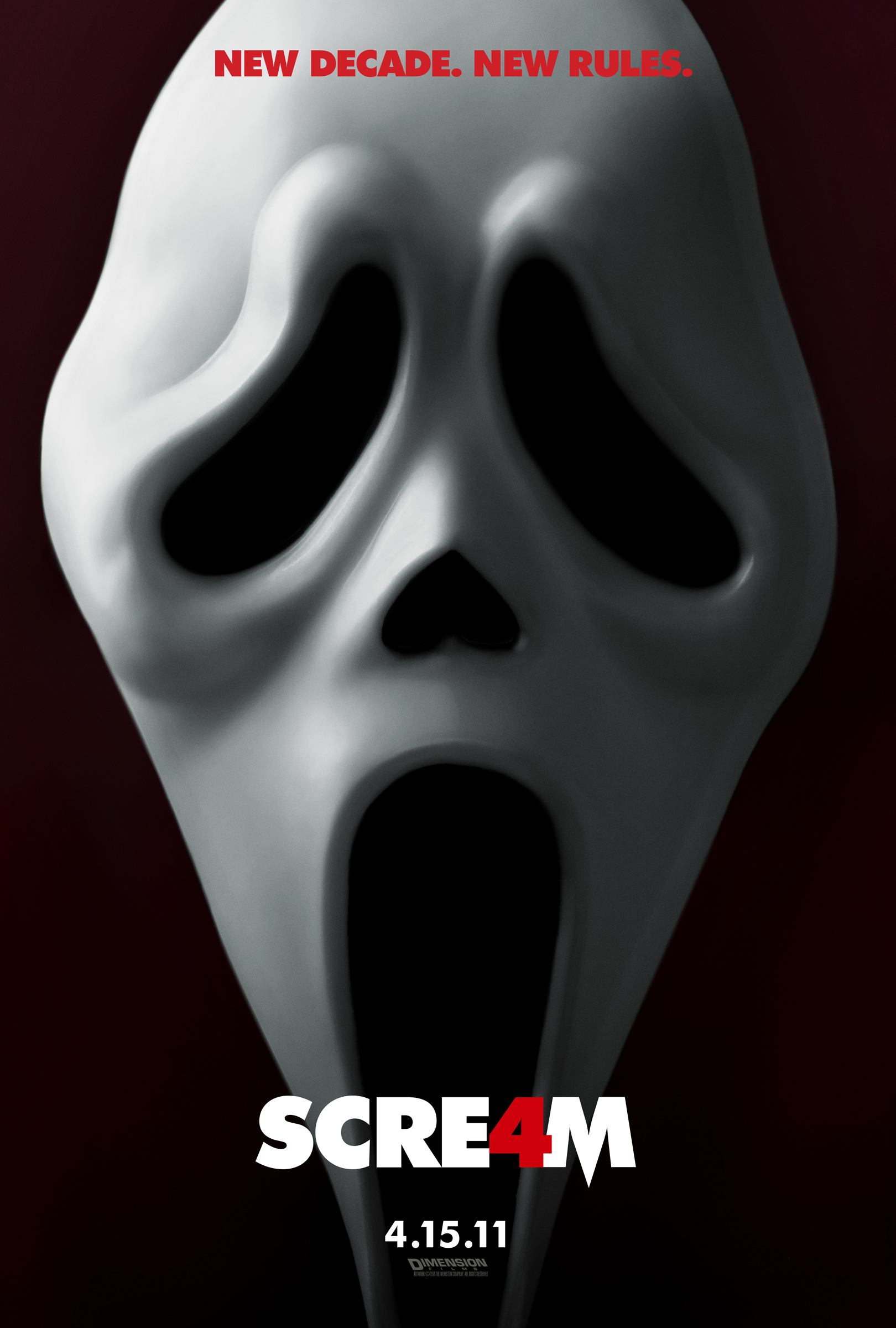
Genre Signifiers (thrillers)
Thrillers
Actual Definition: A thriller is a suspenseful adventure story or play or movie. Thrillers concentrate more on suspense, although gore and violence may be shown at
times, the focus is on the
suspense. Thrillers are
characterized by fast pacing, frequent action, and heroes. Devices such as suspense and cliff hangers are used extensively. Thrillers combine action and
suspense in to one group.
They do this by including
twists or secrets whilst including
fights or action shots.
Thrillers also concentrate on the intensity of emotions they create especially exhilaration and tension by
showing the emotional break-down or emotional mind state of the hero. The audience identifies with the
main hero either through emotion or fear of the situation. The music
in thrillers are normally very quiet so it makes you concentrate more on the
characters and the scene, this builds up suspense. The music then changes when
something jumpy happens like a killer jumping out of a closet. After this the
music will change its pace to be more faster to give the idea of fear and that
adrenaline rush. Key items used in a normal thriller are normally weapons like
knives, blunt weapons, swords like objects because this mean the killer has to
get up close and personal with the victim where as a gun would not make a good
weapon in a thriller because its quick and clean. The colours used in thrillers
are normally very dark except at the beginning when you are introduced to the
characters. The dark atmosphere is perfect for thrillers because in films like
these bad things normally happen at night.
There are many sub-genres to thrillers, including action thriller, drama thriller,
crime thriller, psychological thriller, spy thriller and supernatural thriller. These thrillers may differ to each other in
terms of pace, for example, an action thriller would be quicker paced than a drama or physiological thriller.

Wednesday, 25 September 2013
Andrew Tudor (Genre Theory, 1974), Genre Speculation
Andrew Tudor
"Chicken and the egg" dilemma
Commonly recognised formar elements and common features of specific genre need to be identified.
I believe that the word genre is ineffective with films as there not specific enough with films of today because they are to different. Genre of todays films need to be changed so that when you pick up a film you have a brief idea of what its about. An example of this is epic movie and superbad, they are both comedys however one of them is silly and imature where as the other is more adult comedy.
"Chicken and the egg" dilemma
Commonly recognised formar elements and common features of specific genre need to be identified.
I believe that the word genre is ineffective with films as there not specific enough with films of today because they are to different. Genre of todays films need to be changed so that when you pick up a film you have a brief idea of what its about. An example of this is epic movie and superbad, they are both comedys however one of them is silly and imature where as the other is more adult comedy.
Analysing a still image
To Analysis a still image you have to think about:
Mise-en-scene (costume, colour, lighting)
Characters
Genre
Settings
Analysing the shining
Camera: close up is used to show his facial expression. He is in a very angry or phychotic rage. His mouth and eyes are wide open.
Character: John is the only character in this shot because we are supposed to focus on his facial expression.
Genre: we can tell this is a horror because of his fearfulness and the crazy bloodlust in his eyes.

Mise-en-scene (costume, colour, lighting)
Characters
Genre
Settings
Analysing the shining
Camera: close up is used to show his facial expression. He is in a very angry or phychotic rage. His mouth and eyes are wide open.
Character: John is the only character in this shot because we are supposed to focus on his facial expression.
Genre: we can tell this is a horror because of his fearfulness and the crazy bloodlust in his eyes.
Camera shots and work
Camera Shots
Extreme close up- this shows a body part or object
Close up- this can show a face to see expression
mid shot- this can show more of the person and more of what they are wearing to give an idea of what the person is like
mid long shot- this can show a whole person to show more body language
long shot- this can show a group of people
Extreme long shot- this can show buildings, setting, enviroment and can sometimes be called a establishing
Camera work
pan- camera is sationary and rotates
high angle- the camera is high up looking down
low angle- the camera is low looking up
birds eye view- a camera is high looking straight down
POV- this is where the camera looks like ita from someone point of view
over the shoulder- this is where the camera is over someones shoulder
tracking- this is where the camera is on a track and follows something moving
canted angle- the camera is on its side
Extreme close up- this shows a body part or object
Close up- this can show a face to see expression
mid shot- this can show more of the person and more of what they are wearing to give an idea of what the person is like
mid long shot- this can show a whole person to show more body language
long shot- this can show a group of people
Extreme long shot- this can show buildings, setting, enviroment and can sometimes be called a establishing
Camera work
pan- camera is sationary and rotates
high angle- the camera is high up looking down
low angle- the camera is low looking up
birds eye view- a camera is high looking straight down
POV- this is where the camera looks like ita from someone point of view
over the shoulder- this is where the camera is over someones shoulder
tracking- this is where the camera is on a track and follows something moving
canted angle- the camera is on its side
Wednesday, 18 September 2013
Subscribe to:
Posts (Atom)